
At a Glance:
- PTFE reduces drag and heat in bearings, bushings, and other sliding components.
- It keeps seals and pump components moving smoothly, even with corrosive fluids.
- Its low-stick surface supports clean, reliable flow in packaging and food handling.
- In aerospace interfaces, PTFE helps prevent galling, stick-slip, and vibration.
PTFE (Polytetrafluoroethylene) is well known as a high-performance fluoropolymer valued for its extremely low friction, smooth motion, and reliable performance under mechanical loads. Its surface allows parts to move freely without sticking, binding, or generating excess heat during operation.
PTFE plays a key role in industrial equipment that requires low friction, chemical resistance, and smooth movement. It reduces drag, prevents surface binding, and minimises wear, resulting in smoother movement, longer service life, and lower maintenance needs.
In this article, we will break down the industrial applications of PTFE where its low-friction properties deliver the most value. These advantages make it a dependable choice for enhancing equipment performance across a wide range of operations.
Industrial Bearings and Bushings
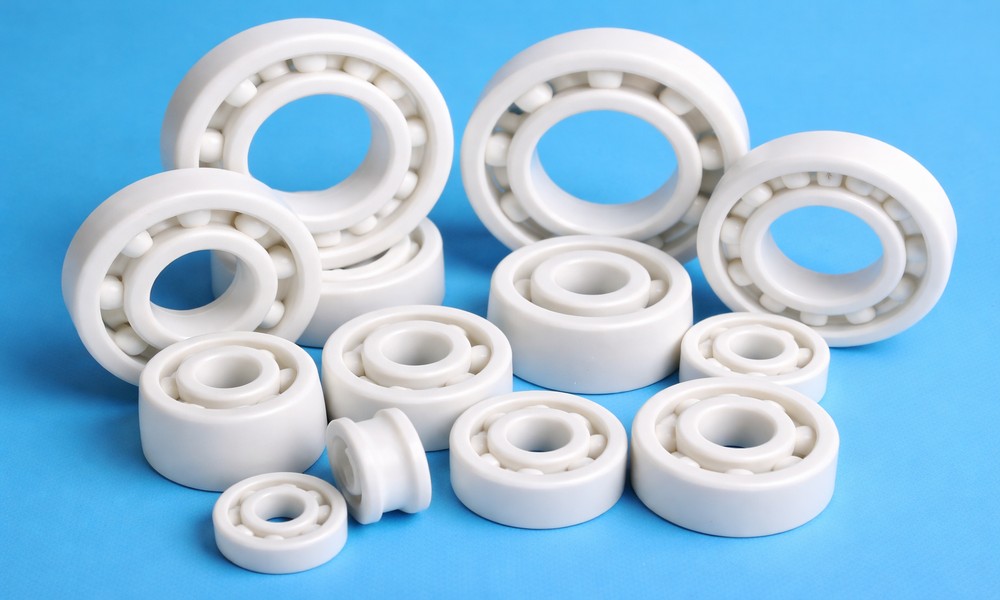
PTFE is commonly used in industrial bearings, rotary bushings, guide rails, wear pads, and similar components that require low-friction movement. It helps moving parts slide smoothly, even under heavy loads. In high-contact machinery, it reduces drag, mitigates heat buildup, and prevents surface scoring. For this reason, PTFE is widely used as an engineering plastic in the manufacture of machines that require sliding and repetitive motion.
Its low-resistance movement also reduces reliance on external lubrication, supporting quieter operation and longer component life. That’s why PTFE remains one of the most trusted materials for motion-intensive mechanical assemblies.
Chemical Seals and Pump Components
In sealing systems, such as valve seats, stem guides, pump rings, and rotating seals, PTFE’s low friction prevents seizure or drag between contacting surfaces. Its natural slipperiness allows tight-sealing faces to move freely without damage in high-pressure pump systems. Such reliable movements reduce the risk of leakage and premature surface failure.
Its smooth finish and chemical inertness support performance in environments with corrosive agents or temperature fluctuations. Even when exposed to chemicals that degrade common polymers, it maintains consistent seal movement without friction-induced wear.
Packaging Equipment and Food Handling
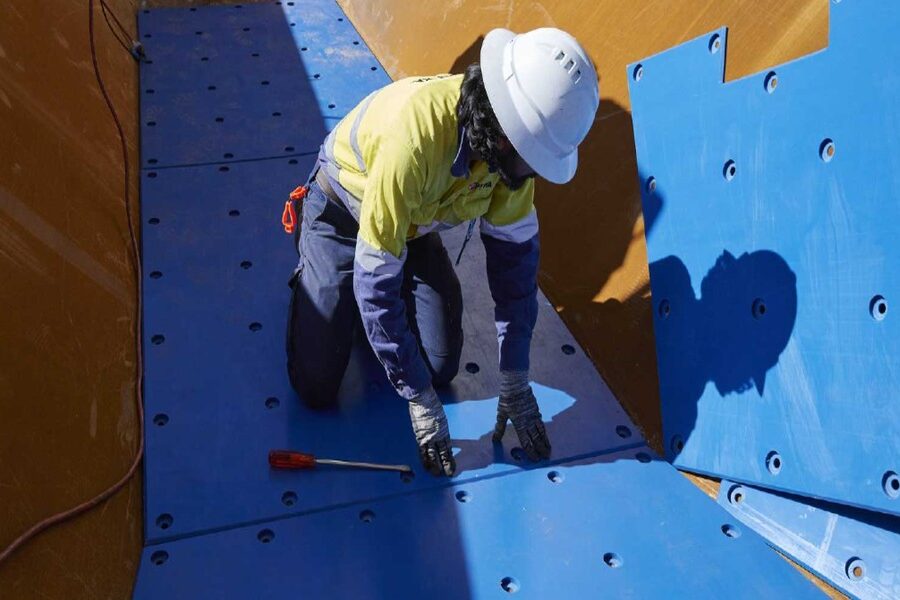
In conveyor tracks, chute liners, and other movement surfaces, PTFE reduces drag and friction. This keeps product flow smooth and predictable. Its low-stick behaviour prevents jamming, belt strain, and adhesion, which enables items to move cleanly from one stage to another. When repetitive contact is involved, PTFE’s wear resistance helps minimise abrasion on both the plastic surface and the product itself.
Moreover, the material’s chemical resistance and clean sliding action support hygiene in a food-contact environment. Because parts can operate without heavy lubrication, PTFE helps reduce contamination risk and supports compliance with food-processing standards. This combination makes PTFE one of the most dependable low-friction materials for automation in packing and bottling equipment.
Precision Guides in Instrumentation and Electrical Assemblies
PTFE enables controlled micro-movement in measurement tools, test fixtures, and electronic housings. When parts need precise alignment, PTFE’s smooth surface lets components slide instead of scraping. The material’s insulating properties are also helpful in preventing electrical interference during movement within sensitive systems.
PTFE reduces drag-induced vibration and protects finely machined surfaces from early wear. In environments where equipment requires repeated adjustment, its resilience helps maintain accuracy and prolong component life.
Structural Slide Plates in Aerospace and Transport
PTFE helps prevent surfaces from sticking or wearing against each other in heavy mechanical systems like suspension pivots, landing gear interfaces, and vibration points. Its sliding behaviour allows structural elements to move freely during weight transfer, mechanical cycling, and load variation. This makes it one of the most reliable materials used in aerospace systems.
Even with temperature changes or repeated movement cycles, PTFE maintains its low friction and surface integrity. This reliability helps extend service intervals, reduce inspection frequency, and support safe operation in aerospace and transport systems.
PTFE’s low friction has a significant impact wherever movement and sliding contact are important. It limits drag and prevents binding in applications such as bushings, bearings, pump seals, conveyor slides, precision fixtures, and structural interfaces. These benefits lead to smoother motion and more reliable operation in machinery, processing lines, instruments, and transport systems.
Reach out to a reliable engineering plastics supplier to access high-grade PTFE materials for demanding sliding and motion-based applications. The right choice can extend equipment life and lower long-term maintenance costs.