
Building an outdoor kitchen is not like buying patio furniture. It is not something you want to replace in five years because the materials fade or the layout feels awkward. If you are going to do it, it makes sense to do it properly, once. A well-designed outdoor kitchen should grow with your lifestyle, handle changing seasons, and still look solid a decade down the line.
Longevity does not happen by accident. It comes from smart planning, durable materials, and choosing the right built-in components from the start.
In fact, many homeowners designing permanent spaces look into integrating a Kamado Joe Big Joe built-in, especially through specialists like BBQs2u, whose webpage outlines outdoor kitchen units designed specifically for kamado-style grills. What makes this setup appealing is the structural compatibility and the housing supports the grill’s weight, manages airflow properly, and protects surrounding materials from heat stress. It feels engineered rather than improvised. And when something is engineered correctly, it simply lasts longer.
From a product perspective, ceramic built-in systems offer impressive heat retention and stability. Once installed into a purpose-built framework, the grill becomes part of the kitchen rather than something sitting on top of it. That integration reduces shifting, surface damage, and long-term wear. Over time, that structural consistency really shows.
Start With Materials That Can Handle Real Life
Outdoor environments are unpredictable. Rain, sun, humidity, heat, your kitchen will see it all.
Choose materials that:
- Resist corrosion and rust
- Tolerate high cooking temperatures
- Require minimal yearly maintenance
- Maintain their appearance despite exposure
Natural stone, masonry, and heavy-duty stainless steel tend to outperform lightweight alternatives. They may cost more upfront, which can sting a little, but they often save money in repairs and replacements later.
Design for Function, Not Just Aesthetics
A beautiful layout is important, but practicality wins in the long run. If the space does not flow well, you will feel it every time you cook.
Think through details like:
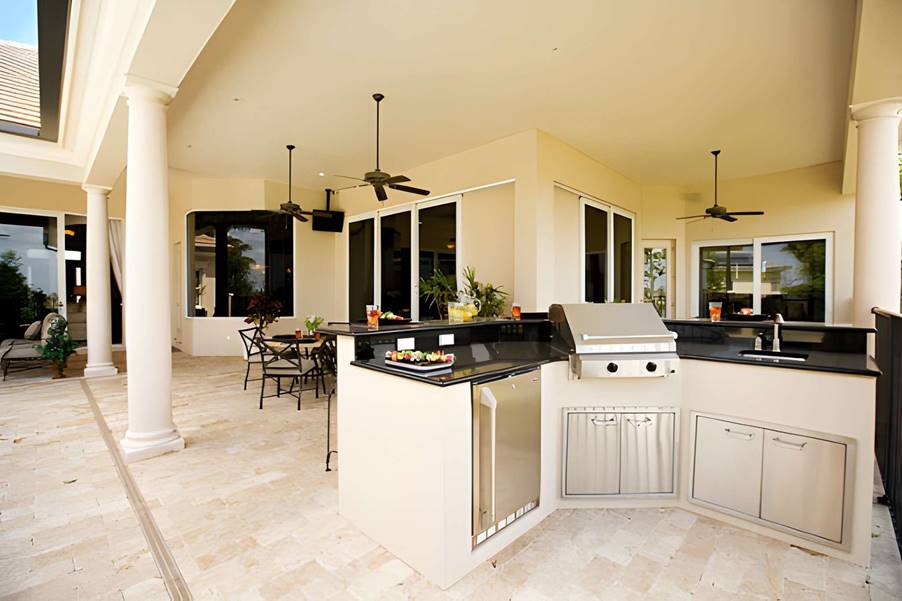
- Adequate prep space beside the grill
- Storage positioned away from direct heat
- Safe ventilation zones
- Comfortable walking paths
Even small adjustments is an extra foot of counter space, better cabinet placement, can make daily use far more enjoyable.

Make It Usable Beyond Summer
An outdoor kitchen that only works in perfect weather limits its own potential.
To extend usability:
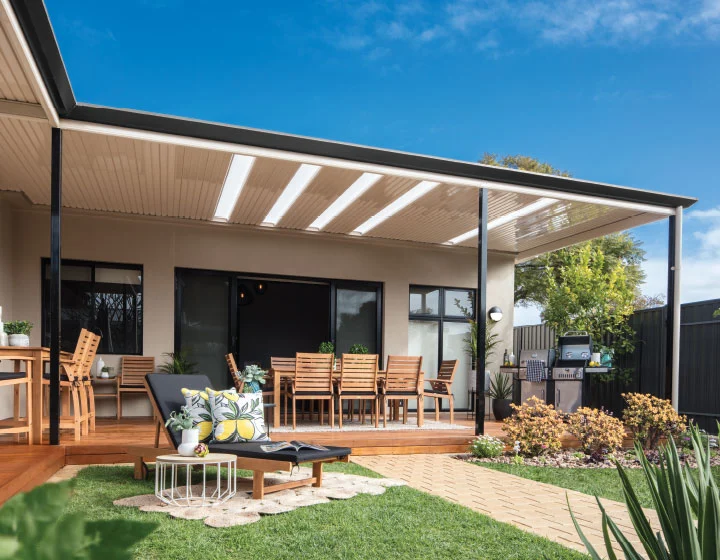
- Add partial roofing or pergolas
- Include proper outdoor lighting
- Consider wind protection features
- Plan drainage carefully
When you design for multiple seasons, the kitchen becomes part of regular life rather than a seasonal project.
Build With the Long View in Mind
There is something meaningful about creating a space meant to last decades. It becomes the backdrop for gatherings, quiet dinners, and spontaneous cookouts. You don’t constantly think about maintenance; you just use it.
Cutting corners during outdoor kitchen installation often leads to regret later. Thoughtful planning, durable materials, and properly integrated appliances create a structure that holds up physically and visually. And when it is built well, you will notice something subtle but important: it does not feel temporary. It feels like it belongs there.