
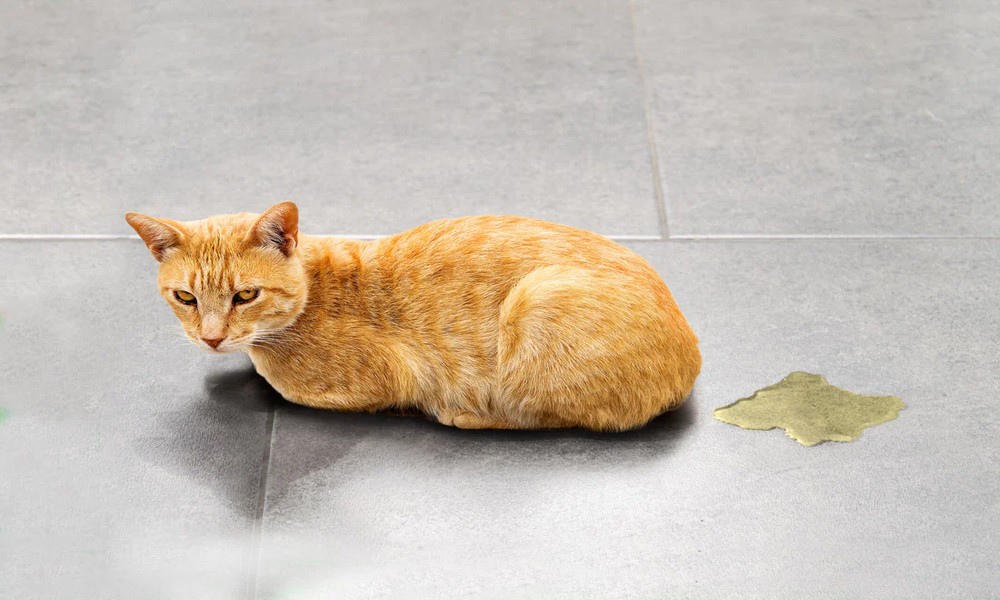

Urinary problems in cats should not be taken for granted. They are often common and can range from mild pain to life-threatening conditions. It is crucial for cat owners to recognize the early signs. This is crucial for timely treatment. Getting medical help can also prevent complications.
There are certain conditions, like when a cat urinates frequently (แมวฉี่บ่อย), that can progress quickly. Pet owners should be observant to any changes in their cat’s urinary habits. Here are the signs that your cat may be experiencing urinary issues.
Inability to Urinate
This is a reason for a medical emergency. A complete inability to urinate should not be taken lightly. Make sure that you bring your cat to the veterinarian as soon as possible. Urinary obstruction in cats can be life-threatening. This requires immediate veterinary care.
Vocalizing While Urinating
Cats in discomfort may cry or make unusual sounds while trying to urinate. This often indicates that they are in pain. The discomfort may be caused by infection, stones, or other urinary problems. Take note of any unusual sounds they make and do not disregard.
Straining to Urinate
If you notice that your cat is spending a lot time in the litter box, they may be in pain. This can indicate difficulty passing urine. This could be caused by a blockage or inflammation. Do not disregard because your cat may already be in pain.
Frequent Visit to the Litter Box
This is one of the major signs to look out for. Visiting the litter box more often than usual may mean that your cat is having problems with frequent urination. This can be due to irritation or infection in the urinary tract. Frequent attempts with little or too much output are concerning.
Blood in the Urine
The presence of blood is a clear sign of a urinary issue. Hematuria may be caused by infections. It can also be due to bladder stones. Make sure to check the litter box or observe them while urinating.
Urinating Outside the Litter Box
Any changes in urine patterns should be taken into account. Well-trained cats that start urinating outside the litter box should be checked. Your pet could be in pain or discomfort while urinating. This is often mistaken for a behavioral issue. However, it can also be a medical concern.
Excessive Licking of the Genital Area
Cats have the natural habit of licking their body. This is how they groom themselves. Excessive licking is not a good sign. Cats lick their genital area more frequently when it is irritated. This is often their way to soothe discomfort.
Unusual Urine Odor
You have to be observant of any sudden change in the smell of your cat’s urine. This may indicate an infection or other underlying health issue. Strong or foul odors should not be ignored. Bring your cat to the vet to get it checked. It is crucial to rule out any health problems.
Excessive Urination
Cats may develop Chronic Kidney Disease or diabetes. This can cause increased thirst which may lead to frequent urination. Do not disregard if your cat urinates more frequently. This pattern is often gradual and not easily noticeable.
Lethargy or Loss of Appetite
Cats with urinary problems would feel sick. They will be less interested in eating or playing. These symptoms can accompany more specific urinary signs. Watch out for other signs discussed above. This could indicate that your cat has urinary issues.
Conclusion
Urinary issues in cats are more common than you think. Any of these signs should never be taken lightly. Early detection of symptoms can make a significant difference in treatment outcomes. Consult a veterinarian promptly if you notice any of these signs.