
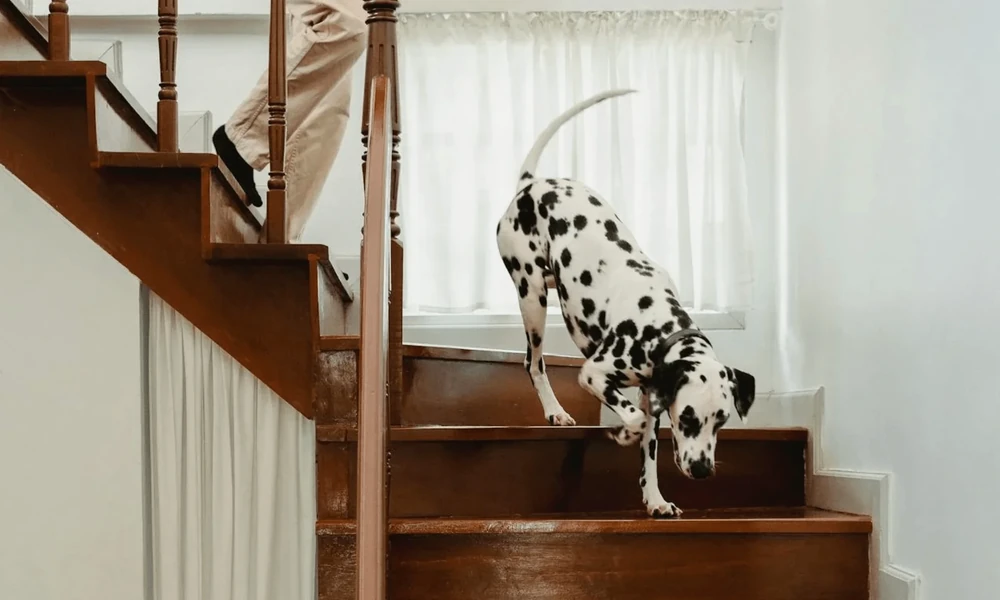

Dog-proofing your home prevents emergency veterinary visits, protects your valuable belongings, and gives your new companion a secure space to explore. Bringing a Dog Nail Grind South Jordan
into your household introduces a curious, energetic family member who views everyday household items as playthings, snacks, or chew toys. By taking a proactive approach to pet safety, you eliminate hidden hazards, establish clear environmental boundaries, and create a stress-free transition for both you and your four-legged friend.
Seeing Your Living Space from a Dog’s Perspective
Securing your home starts by dropping down to knee level to view rooms from your dog’s line of sight. Lower viewpoints reveal loose electrical cords, forgotten coins under furniture, small decorative items on low shelves, and dangling curtain pulls that escape notice from standing height.
Dogs investigate their surrounding environment through scent, taste, and biting. Identifying reachable objects allows you to move delicate accessories to higher shelving, tuck away trailing wires, and clear floor spaces before curiosity turns into an accidental ingestion emergency.
Taming Electrical Cords and Power Outlets
Exposed electrical wires resemble chewable vines to curious puppies and bored adult dogs. Biting through live wires leads to severe oral burns, fluid accumulation in the lungs, electrical shock, or electrocution.
Run extension cords behind heavy furniture or secure them along baseboards using rigid cord concealers. Spiral cable wrap sleeves bundle multiple cords into a tough outer casing that deters chewing. Unplug temporary appliances like irons, vacuums, and space heaters immediately after use, wrapping power cords neatly above floor level.
Protecting Bathrooms and Laundry Rooms
Bathrooms and utility areas contain specialized hazards including standing water, small plastic items, and concentrated cleaning agents. Keeping doors to these rooms closed remains the simplest line of defense.
Keep toilet lids down continuously to prevent pets from drinking water containing chemical bowl cleaners or accidentally falling inside. In the laundry room, store liquid detergent containers, bleach bottles, and dryer sheets inside closed upper cupboards. Always check dryer and washing machine drums before closing doors or starting cycles, as small dogs and puppies frequently crawl inside warm appliances for naps.
Securing Bedrooms and Personal Items
Bedrooms house personal items infused with strong human scents, making socks, underwear, and laundry items irresistibly attractive to dogs seeking comfort. Ingesting socks or small garments represents one of the leading causes of surgical intestinal blockages in dogs. Use tall, covered laundry hampers with fitted lids to keep dirty clothes completely inaccessible.
Keep nightstand drawers closed and clear of loose items like earplugs, hair pins, lip balms, and sleeping aids. Stash daily jewelry, watches, and coins inside closed boxes rather than leaving them exposed on dresser tops.
Establishing Safe Zones with Gates and Crate Training
Setting up designated safe areas gives your dog a secure space to unwind while preventing unsupervised access to non-proofed areas of your home.
Utilize sturdy, pressure-mounted baby gates or freestanding pet exercise pens to block off staircases, home offices, or kitchen entryways. Gating off carpeted areas during early potty training protects flooring while your dog learns proper house manners.
Introduce crate training early using positive reinforcement methods. A properly sized, well-ventilated dog crate acts as a comfortable den where your dog can rest safely when you cannot provide direct supervision, guaranteeing absolute safety during busy household routines.
Conclusion
Dog-proofing your home requires careful preparation, clear organization, and consistent daily habits. Taking time to secure hazardous chemicals, tuck away electrical cords, clear floor clutter, and restrict access to toxic plants creates a protective environment where your pet can thrive. By identifying hidden risks across every room and replacing potential dangers with safe alternatives, you protect your investment in your home while providing your new companion with a secure, welcoming atmosphere for years to come.