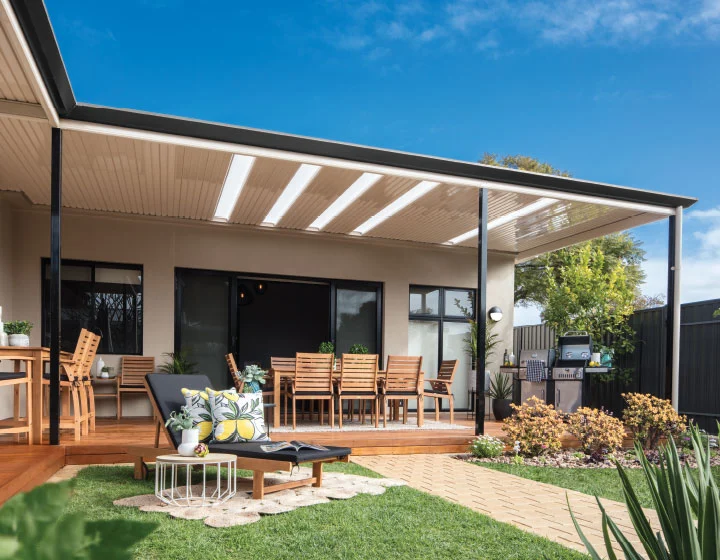


Textured concrete offers a defined blend of durability and sophistication for outdoor environments. It enhances pathways, patios, and landscapes with a balance of form and resilience. The approach combines consistency with style to create premium and lasting finishes. Project designers prefer modern customization platforms that make it easier to Visit Site for design inspiration and precise treatment techniques.
Modern Design Value in Textured Concrete
Textured concrete brings character and individuality to outdoor surfaces. It extends beyond ordinary finishes, allowing unique patterns that reflect natural stone, wood, or tile. Each treatment creates a distinctive personality while maintaining low-maintenance performance.
Surface Preparation for Long-Term Consistency
Surface treatment begins with careful base design alignment and material synergy. The preparation phase defines the quality and endurance of the final pattern outcome. Every surface requires coordination between curing, layout, and surface stability.
- Uniform base leveling techniques before finishing application
- Structural adhesion systems supporting pattern integration
- Temperature-conditioned layering for consistent durability
- Early-stage reinforcement preventing fine cracks
- Tool-pressure control optimizing pattern depth balance
- Controlled hydration maintaining precise surface bonding
By refining this initial framework, contractors ensure texture persistence and aesthetic precision. This structured groundwork supports decorative resilience within residential or commercial applications alike.
What Defines the Appeal of Textured Patterns?
Textured patterns carry both artistic and functional roles within exterior constructions. They help mimic natural formations while sustaining load-bearing properties in practical conditions.
The distinct edges and grain alignments create natural shadows under daylight. This depth effect enhances outdoor visual comfort without increasing maintenance complexity.
Blending Decorative Texture With Functional Protection
The art of texturing blends creative composition with environmental resistance. Designers combine stamping, brushing, and embedding for distinctive outdoor visuals. These measures enhance traction and improve protection against seasonal movement cycles.
- Micro-level design scales simulating organic stone surfaces
- Embedded motif placement boosting pattern integration strength
- Stamping sequence synchronization improving visual layering depth
- Pigment mixing precision supporting consistent color infusion
- Sealant adjustments responding to moisture variation shifts
- Edge refinement methods preserving geometric surface accuracy
By aligning craftsmanship and structural science, these techniques transform regular concrete into art. The outcome offers long-lasting elegance even across high-traffic exterior zones.
How Do Homeowners Decide on Surface Treatments?
Homeowners choose treatments that reflect both personal taste and environmental adaptability. Textured options provide flexibility across climate zones, architectural styles, and garden layouts.
They often consult visual tools and material samples to determine their exact preference. Once they Visit Site resources, selection becomes effortless through interactive visualization platforms guiding finishing patterns and pattern tone inspirations.
How Can Textured Designs Improve Outdoor Comfort?
A well-textured surface improves the tactile and visual atmosphere outside. It cools radiant heat and softens glare from surrounding stone or pavement. It also adds subtle friction for safer walking paths during wet periods.
Through customized coloring and depth variation, designers achieve harmony within open environments. Each outdoor space gains a relaxed, cohesive rhythm that supports both style and comfort beautifully.
Reviving Outdoor Aesthetics Through Concrete Expression
The best textured finishes turn plain exteriors into sculpted artistry. Each method evolves with innovation, combining practical endurance with inspired creativity. As materials continue improving, expression becomes deeper and more accessible across diverse properties.